
Published
Your blood pressure might look “perfect” on paper… but that doesn’t always mean your treatment is safe.
As the body changes after sixty, certain medications that once worked well can begin to create problems quietly—without obvious warning signs. In this video, Doctor Warren Hung explains why some blood pressure pills require more caution later in life, and how the same treatment can affect the body very differently with age.
You’ll start to see how stability matters just as much as control… and why symptoms like mild dizziness, fatigue, or feeling slightly “off” shouldn’t be ignored.
If you or someone close to you is taking blood pressure medication, this can change how you think about:
• your current treatment
• everyday symptoms
• what to ask your doctor
Because sometimes, the real risk isn’t the condition itself… it’s how it’s being managed.
???? Sources
• American College of Cardiology / American Heart Association (ACC/AHA) Guidelines for High Blood Pressure
• American Heart Association — Hypertension Management Recommendations
• National Institute for Health and Care Excellence (NICE) — Hypertension in Adults
• National Institute on Aging — Blood Pressure & Aging
• Framingham Heart Study — Cardiovascular Risk Data
• Kidney Disease: Improving Global Outcomes — Blood Pressure & Kidney Function
• Journal of the American Geriatrics Society — Medication Use & Fall Risk
???? Hashtags
#BloodPressure #Over60Health #SeniorHealth #MedicationSafety #HeartHealth
⚠️Disclaimer:
This video is for educational and informational purposes only. It is not intended to provide medical advice, diagnosis, or treatment.
The information presented reflects general medical knowledge and research, but individual health situations vary. Always consult your physician or a qualified healthcare professional before making changes to your diet, lifestyle, medications, or medical care.
This content is provided to support understanding of health topics and does not replace professional medical guidance.
We aim to follow YouTube’s policies and promote accurate, responsible health education. No medical decisions should be made based solely on this video.
As the body changes after sixty, certain medications that once worked well can begin to create problems quietly—without obvious warning signs. In this video, Doctor Warren Hung explains why some blood pressure pills require more caution later in life, and how the same treatment can affect the body very differently with age.
You’ll start to see how stability matters just as much as control… and why symptoms like mild dizziness, fatigue, or feeling slightly “off” shouldn’t be ignored.
If you or someone close to you is taking blood pressure medication, this can change how you think about:
• your current treatment
• everyday symptoms
• what to ask your doctor
Because sometimes, the real risk isn’t the condition itself… it’s how it’s being managed.
???? Sources
• American College of Cardiology / American Heart Association (ACC/AHA) Guidelines for High Blood Pressure
• American Heart Association — Hypertension Management Recommendations
• National Institute for Health and Care Excellence (NICE) — Hypertension in Adults
• National Institute on Aging — Blood Pressure & Aging
• Framingham Heart Study — Cardiovascular Risk Data
• Kidney Disease: Improving Global Outcomes — Blood Pressure & Kidney Function
• Journal of the American Geriatrics Society — Medication Use & Fall Risk
???? Hashtags
#BloodPressure #Over60Health #SeniorHealth #MedicationSafety #HeartHealth
⚠️Disclaimer:
This video is for educational and informational purposes only. It is not intended to provide medical advice, diagnosis, or treatment.
The information presented reflects general medical knowledge and research, but individual health situations vary. Always consult your physician or a qualified healthcare professional before making changes to your diet, lifestyle, medications, or medical care.
This content is provided to support understanding of health topics and does not replace professional medical guidance.
We aim to follow YouTube’s policies and promote accurate, responsible health education. No medical decisions should be made based solely on this video.
- Categoria
- Cardiology

Commenta per primo questo video.
Prossimo
-
19:09

What's the Safest Blood Pressure for Older Adults? (The Truth Your Doctor May Not Tell You)
-
17:29
Top 5 Bedtime Drinks That Lower Blood Pressure Overnight After 60 (Doctor Explains)
-
15:08
Cardiologist Warns: Why Healthy People Still Have High Blood Pressure
-
18:07
The Blood Pressure Pill Your Doctor Keeps Prescribing — And Why It’s Making You Worse
-
12:19
The Blood Pressure Pill Your Doctor Keeps Prescribing — And Why It's Making You Worse
-
16:05
New 2026 Blood Pressure Guidelines: Why Millions of Seniors Just Got Permission to Stop Their Pills
-
19:33
The Blood Pressure Pill Your Doctor Keeps Prescribing — And Why It's Making You Worse
-
05:40
Best Time to Take Blood Pressure Medication (Doctor Explains)
-
11:14
11 MISTAKES Measuring Your BLOOD PRESSURE : Doctor Explains
-
19:23
Your 'Normal' Blood Pressure Is Silently Killing You – Doctor Explains Why
-
09:07

Cardiology for Beginners: Basics of Heart Sounds and Murmurs (with examples)
-
13:45

How to Become a Cardiologist | Cardiac Electrophysiologist
-
04:14

V 00592 Cardiology Fellowship Video Dr Vranian V5
-
05:17

Cardiology Fellowship at SIU Medicine
-
04:15

Cardiology Fellowship Program at Danbury Hospital
-
05:49

Practice Question: Cardiology #1, USMLE Step 1, COMLEX Level 1
-
04:07

Dr. Muhammed Raza on advice for Fellows interested in Interventional Cardiology
-
07:36
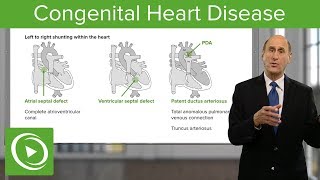
Congenital Heart Disease – Cardiology | Lecturio
-
05:18

Cardiology Fellowship at IU School of Medicine
-
04:36

What are different types of Cardiology Tests | SPS Hospitals
