
Published
???????????????????? ???????????? ???????????????????????????????? ???????????????????????????? ????????????????:- https://t.me/bhanuprakashdr
???? ???????????????????????? ???????? ????????????????????????????????????:- https://www.instagram.com/drgbhanuprakash
???????????????????????????????????????? ???????? ???????? ???????????????????????????? ????????????????:- https://linktr.ee/DrGBhanuprakash
Frank-Starling Mechanism, Preload & Afterload????Cardiovascular Physiology - USMLE Step 1
The Frank-Starling mechanism is a foundational concept in cardiovascular physiology, describing how the heart intrinsically regulates its stroke volume in response to changes in venous return (preload). It is high-yield for USMLE Step 1, especially when interpreting cardiac output curves, heart failure dynamics, and hemodynamic responses to volume changes or afterload alterations.
The core principle is: The more the ventricular muscle is stretched during diastole (increased preload), the stronger the subsequent contraction, up to an optimal point. This occurs because sarcomere length increases, improving actin-myosin overlap and enhancing contractile force—leading to increased stroke volume and cardiac output. This mechanism allows the heart to match its output to venous return without external neural input.
Preload refers to the ventricular end-diastolic volume (or pressure)—essentially the stretch on myocardial fibers before contraction. It is increased by fluid resuscitation, venoconstriction, or slower heart rate, and decreased by hemorrhage, dehydration, or nitroglycerin (venodilator).
Afterload is the resistance the heart must pump against, primarily influenced by systemic vascular resistance (SVR) and aortic pressure. Increased afterload (e.g., in hypertension or aortic stenosis) makes it harder for the ventricle to eject blood, potentially decreasing stroke volume if not compensated by contractility.
Graphically, the Frank-Starling curve plots stroke volume or cardiac output on the Y-axis against ventricular end-diastolic volume (preload) on the X-axis. The curve shifts:
Upward with increased contractility (e.g., from sympathetic stimulation or inotropic drugs like dobutamine)
Downward in systolic heart failure (weakened myocardium fails to respond to preload)
Clinically, this explains why patients in heart failure benefit from diuretics (reducing preload) or vasodilators (reducing afterload), and how inotropes help increase output when contractility is poor.
On USMLE Step 1, expect questions that test your ability to interpret pressure-volume loops, cardiac output graphs, or predict outcomes of preload/afterload changes due to pharmacologic agents or disease states like heart failure or valve disorders.
#FrankStarlingLaw #Preload #Afterload #CardiovascularPhysiology #USMLEStep1 #StrokeVolume #HeartFailure #CVSPhysiology #Inotropes #PressureVolumeLoop #MedicalEducation #Step1Buzzwords #WhiteboardMedicine #MCQPrep #USMLEBuzzwords #DrGBhanuPrakash #VenousReturn #SympatheticStimulation #HeartFunctionCurve #USMLE2025 #Hemodynamics #Contractility #medicalanimations #fmge #fmgevideos #rapidrevisionfmge #fmge2024 #mbbslectures #nationalexitexam #nationalexittest #neetpg #usmlepreparation #usmlestep1 #fmge #usmle #drgbhanuprakash #medicalstudents #medicalstudent #medicalcollege #neetpg2025 #usmleprep #usmlevideos #usmlestep1videos #medicalstudents #neetpgvideos #usmlestep2videos
???? ???????????????????????? ???????? ????????????????????????????????????:- https://www.instagram.com/drgbhanuprakash
???????????????????????????????????????? ???????? ???????? ???????????????????????????? ????????????????:- https://linktr.ee/DrGBhanuprakash
Frank-Starling Mechanism, Preload & Afterload????Cardiovascular Physiology - USMLE Step 1
The Frank-Starling mechanism is a foundational concept in cardiovascular physiology, describing how the heart intrinsically regulates its stroke volume in response to changes in venous return (preload). It is high-yield for USMLE Step 1, especially when interpreting cardiac output curves, heart failure dynamics, and hemodynamic responses to volume changes or afterload alterations.
The core principle is: The more the ventricular muscle is stretched during diastole (increased preload), the stronger the subsequent contraction, up to an optimal point. This occurs because sarcomere length increases, improving actin-myosin overlap and enhancing contractile force—leading to increased stroke volume and cardiac output. This mechanism allows the heart to match its output to venous return without external neural input.
Preload refers to the ventricular end-diastolic volume (or pressure)—essentially the stretch on myocardial fibers before contraction. It is increased by fluid resuscitation, venoconstriction, or slower heart rate, and decreased by hemorrhage, dehydration, or nitroglycerin (venodilator).
Afterload is the resistance the heart must pump against, primarily influenced by systemic vascular resistance (SVR) and aortic pressure. Increased afterload (e.g., in hypertension or aortic stenosis) makes it harder for the ventricle to eject blood, potentially decreasing stroke volume if not compensated by contractility.
Graphically, the Frank-Starling curve plots stroke volume or cardiac output on the Y-axis against ventricular end-diastolic volume (preload) on the X-axis. The curve shifts:
Upward with increased contractility (e.g., from sympathetic stimulation or inotropic drugs like dobutamine)
Downward in systolic heart failure (weakened myocardium fails to respond to preload)
Clinically, this explains why patients in heart failure benefit from diuretics (reducing preload) or vasodilators (reducing afterload), and how inotropes help increase output when contractility is poor.
On USMLE Step 1, expect questions that test your ability to interpret pressure-volume loops, cardiac output graphs, or predict outcomes of preload/afterload changes due to pharmacologic agents or disease states like heart failure or valve disorders.
#FrankStarlingLaw #Preload #Afterload #CardiovascularPhysiology #USMLEStep1 #StrokeVolume #HeartFailure #CVSPhysiology #Inotropes #PressureVolumeLoop #MedicalEducation #Step1Buzzwords #WhiteboardMedicine #MCQPrep #USMLEBuzzwords #DrGBhanuPrakash #VenousReturn #SympatheticStimulation #HeartFunctionCurve #USMLE2025 #Hemodynamics #Contractility #medicalanimations #fmge #fmgevideos #rapidrevisionfmge #fmge2024 #mbbslectures #nationalexitexam #nationalexittest #neetpg #usmlepreparation #usmlestep1 #fmge #usmle #drgbhanuprakash #medicalstudents #medicalstudent #medicalcollege #neetpg2025 #usmleprep #usmlevideos #usmlestep1videos #medicalstudents #neetpgvideos #usmlestep2videos
- Categoria
- Cardiology

Commenta per primo questo video.
Prossimo
-
09:14

Coarctation of Aorta Made Simple – Infantile vs Adult Type | USMLE Step 1 & Step 2 CK
-
08:53
Bundle Branch Block ECG Explained | RBBB vs LBBB ECG Interpretation Made Easy
-
11:50
STEMI ECG Explained | ST Elevation Myocardial Infarction ECG Made Easy
-
14:20
Cardiac Output | Preload and Afterload EXPLAINED!
-
05:46
Heart Murmurs | Explained by Dr Hafiz Atif | First Aid Made Easy Platform #cardiology #fcps #nre
-
08:08
Chapter 92 | Vector in Physiology Explained ???? | ECG Axis, Force & Direction (Sembulingam) Made Ea
-
05:40
Left Ventricular Hypertrophy Made Easy: ECG + Echo Explained in 5 Minutes!
-
04:18
ECG made easy case 89| WPW syndrome on ECG| WPW mechanism
-
11:54
Preload and Afterload Nursing | Stroke Volume, Cardiac Output Explained
-
17:24
Doppler in Echo Explained | PW, CW & Color Flow Made Easy for Beginners!
-
09:07
Cardiology for Beginners: Basics of Heart Sounds and Murmurs (with examples)
-
13:45
How to Become a Cardiologist | Cardiac Electrophysiologist
-
04:14

V 00592 Cardiology Fellowship Video Dr Vranian V5
-
05:17

Cardiology Fellowship at SIU Medicine
-
04:15

Cardiology Fellowship Program at Danbury Hospital
-
05:49

Practice Question: Cardiology #1, USMLE Step 1, COMLEX Level 1
-
04:07

Dr. Muhammed Raza on advice for Fellows interested in Interventional Cardiology
-
07:36
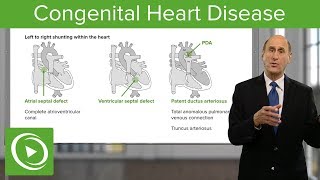
Congenital Heart Disease – Cardiology | Lecturio
-
05:18

Cardiology Fellowship at IU School of Medicine
-
04:36

What are different types of Cardiology Tests | SPS Hospitals
