
Published
Ever wonder why we stop the wire at a certain point or how to recognize when it has migrated into a place it shouldn’t be? In this video, I break down the essentials of wire movement and tactile feedback in the cath lab.
???? This example focuses on radial access, where the pathway from the radial artery to the aortic root can sometimes be tortuous, but the same principles apply to femoral access.
You will Learn:
- How tactile feedback gives early warning signs (and why it’s your red flag to look).
- What to do if the wire enters a smaller branch, encounters an occlusion, or risks dissection.
- How to communicate clearly with your physician about what you’re feeling when advancing wires and catheters.
- Why it’s always okay to ask questions or let the physician feel the wire themselves.
???? Pro tip: Every physician has their own routine and preferences, never guess. If you are unsure STOP and ASK where they want you to go.
This video is designed for anyone new to the cath lab or those wanting to sharpen their skills with wire and catheter technique.
???? Don’t forget to like, subscribe, and share this with a colleague who could use a confidence boost in the lab!
New to the Cath Lab? Grab a copy of The Cath Lab Visual Orientation Manual
???? Hey Cath Lab! Connect with Us:
Website: https://dontmissabeat.store
Instagram: https://instagram.com/dontmissabeat
Facebook: https://facebook.com/dontmissabeat
???? Hey EP Lab! Connect with Us:
Instagram: https://instagram.com/dontmissthehis
Facebook: https://facebook.com/dontmissthehis
#CathLab #RadialAccess #FemoralAccess #CardiacCath #InterventionalCardiology #MedEd #RCIS #DontMissABeat
???? This example focuses on radial access, where the pathway from the radial artery to the aortic root can sometimes be tortuous, but the same principles apply to femoral access.
You will Learn:
- How tactile feedback gives early warning signs (and why it’s your red flag to look).
- What to do if the wire enters a smaller branch, encounters an occlusion, or risks dissection.
- How to communicate clearly with your physician about what you’re feeling when advancing wires and catheters.
- Why it’s always okay to ask questions or let the physician feel the wire themselves.
???? Pro tip: Every physician has their own routine and preferences, never guess. If you are unsure STOP and ASK where they want you to go.
This video is designed for anyone new to the cath lab or those wanting to sharpen their skills with wire and catheter technique.
???? Don’t forget to like, subscribe, and share this with a colleague who could use a confidence boost in the lab!
New to the Cath Lab? Grab a copy of The Cath Lab Visual Orientation Manual
???? Hey Cath Lab! Connect with Us:
Website: https://dontmissabeat.store
Instagram: https://instagram.com/dontmissabeat
Facebook: https://facebook.com/dontmissabeat
???? Hey EP Lab! Connect with Us:
Instagram: https://instagram.com/dontmissthehis
Facebook: https://facebook.com/dontmissthehis
#CathLab #RadialAccess #FemoralAccess #CardiacCath #InterventionalCardiology #MedEd #RCIS #DontMissABeat
- Categoria
- Cardiology

Commenta per primo questo video.
Prossimo
-
10:54

+ 30,00,000/- Stop Trading on TIPS & CALLS
-
19:18
Stop Memorizing Heart Failure: Draw Left Ventricular Congestive Heart Failure Step-by-Step
-
10:46
Stop Phone Addiction (आज ही) | 3 LIFE-CHANGING TIPS!
-
18:03
Drink Water This Way & Stop Urinating at Night | Simple Health Tips
-
11:08
Stop Peeing at Night! Urologist's Water Drinking Tips for Adults Over 50
-
06:11
Chest Pain Left Side|Pregnancy❤️Chest Pain moving to hands |Heart disease #heart-Dr.Schumailla Bassi
-
07:03
Inside a Cath Lab: How Doctors Fix Heart Blockages????#bme#heart#heartattack#cardiac#health#biomedic
-
04:36
Quickest Way To Stop Overthinking - 10 Powerful Tips (Backed By Psychology)
-
05:14
Heart Rhythm TV Update: Left vs Left Trial
-
04:14
Uganda Heart Institute Launches new Cath Lab for non Intrusive heart Diagnosis
-
09:07
Cardiology for Beginners: Basics of Heart Sounds and Murmurs (with examples)
-
13:45
How to Become a Cardiologist | Cardiac Electrophysiologist
-
04:14

V 00592 Cardiology Fellowship Video Dr Vranian V5
-
05:17

Cardiology Fellowship at SIU Medicine
-
04:15

Cardiology Fellowship Program at Danbury Hospital
-
05:49

Practice Question: Cardiology #1, USMLE Step 1, COMLEX Level 1
-
04:07

Dr. Muhammed Raza on advice for Fellows interested in Interventional Cardiology
-
07:36
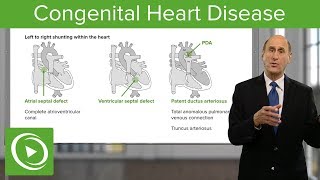
Congenital Heart Disease – Cardiology | Lecturio
-
05:18

Cardiology Fellowship at IU School of Medicine
-
04:36

What are different types of Cardiology Tests | SPS Hospitals
