
Published
Did you know that millions of lives are saved each year thanks to cath lab procedures? In this eye-opening video, we delve into the world of cardiac catheterization, demystifying this crucial process that diagnoses and treats heart conditions. We address common fears and misconceptions, break down the steps of a cath lab procedure, and share inspiring stories that showcase its life-changing impact on patients. Understanding these procedures can empower both patients and their families to make informed decisions about heart health. Have questions? Drop them in the comments! Like this video to help spread awareness about cath lab procedures.
Join me as I take on the challenge of breaking down complex Cath Lab procedures step by step, making them easy to understand!
Cath lab procedures play a crucial role in diagnosing and treating heart conditions. They allow doctors to visualize the heart and its blood vessels, identify blockages, and perform interventions to restore blood flow. This is especially important for patients with suspected coronary artery disease, heart valve problems, or other cardiac conditions.
Some people might be nervous about cath lab procedures, thinking they're painful or complicated. The truth is, most patients report minimal discomfort during the procedure. It's performed under local anesthesia, which numbs the area where the catheter is inserted. You might feel some pressure or a pinch when the catheter is inserted, but that's usually it.
Another common misconception is that cath lab procedures are only for severe cases. Not necessarily. Doctors might recommend a cath lab procedure for patients with mild symptoms or those who have abnormal test results. It's a diagnostic tool that helps doctors determine the best course of treatment.
The thought of being in a cath lab can be overwhelming, but it's essential to remember that these procedures have a high success rate and can be lifesaving. Complications are rare, and most patients recover quickly.
A typical cath lab procedure involves several steps. First, a small incision is made in the groin or arm, and a catheter is inserted into an artery. The catheter is then guided through the blood vessels to the heart, where contrast dye is injected to visualize the coronary arteries. This is followed by imaging tests, such as angiography or ventriculography, to assess heart function.
The next step is usually the most concerning for patients: the insertion of a stent or balloon to widen narrowed or blocked arteries. This is done under fluoroscopy, which provides real-time imaging. The good news is that most stents are now designed to be deployed quickly and easily.
After the procedure, the catheter is removed, and pressure is applied to the insertion site to prevent bleeding. You might need to rest for a few hours to allow the site to heal. Most patients can go home the same day or within 24 hours.
One patient who comes to mind is a 55-year-old man who was experiencing severe chest pain. He was diagnosed with a blocked coronary artery and underwent a cath lab procedure. A stent was inserted, and within days, he was back to his normal routine, with no more pain. His experience illustrates the life-changing impact of cath lab procedures.
In conclusion, cath lab procedures are a crucial diagnostic tool for heart conditions. They're often misunderstood, but by breaking down the steps involved, we can see that they're relatively straightforward.
Explore the fascinating world of cath lab procedures with us! In this video, we're on a mission to demystify the complex processes involved in cardiac catheterization labs, one step at a time. From angioplasty to stenting, we'll break down the procedures into easy-to-understand language, making it accessible to everyone. Whether you're a medical professional, a patient, or simply curious about cardiac health, this video is for you. So, sit back, relax, and get ready to learn about the amazing world of cath lab procedures!
#HeartHealth #CathLab #MedicalProcedures #Cardiology #healthawareness #angiography #cardiacshorts
Created with- @InVideoOfficial
#sports #youtube #summer #moda #jackets #fyp #ootd #mensfashion #pants #explore #tiktok #explorepage #basketball #sportsbra #onlineshopping #denim #clothes #shortshorts #workout #croptop #uk #bhfyp #reelsinstagram #nike #motivation #tanktop #bra #yoga #sweatshirts #dress
angiography
angiogram
angiogram procedure video
youtube normal
lad
cardiologist
angiography video
angioplasty surgery video
echo test for heart
coronary angiography
heart stent surgery video
ptca
normal youtube
poba
heart stent surgery
heart attack ke lakshan
heart blockage symptoms
stent operation video
heart blockage treatment
mhvc-gex9la
ptca angioplasty
rca
angioplasty
pacemaker surgery
Product- https://amzn.in/d/7JX20kc
Join me as I take on the challenge of breaking down complex Cath Lab procedures step by step, making them easy to understand!
Cath lab procedures play a crucial role in diagnosing and treating heart conditions. They allow doctors to visualize the heart and its blood vessels, identify blockages, and perform interventions to restore blood flow. This is especially important for patients with suspected coronary artery disease, heart valve problems, or other cardiac conditions.
Some people might be nervous about cath lab procedures, thinking they're painful or complicated. The truth is, most patients report minimal discomfort during the procedure. It's performed under local anesthesia, which numbs the area where the catheter is inserted. You might feel some pressure or a pinch when the catheter is inserted, but that's usually it.
Another common misconception is that cath lab procedures are only for severe cases. Not necessarily. Doctors might recommend a cath lab procedure for patients with mild symptoms or those who have abnormal test results. It's a diagnostic tool that helps doctors determine the best course of treatment.
The thought of being in a cath lab can be overwhelming, but it's essential to remember that these procedures have a high success rate and can be lifesaving. Complications are rare, and most patients recover quickly.
A typical cath lab procedure involves several steps. First, a small incision is made in the groin or arm, and a catheter is inserted into an artery. The catheter is then guided through the blood vessels to the heart, where contrast dye is injected to visualize the coronary arteries. This is followed by imaging tests, such as angiography or ventriculography, to assess heart function.
The next step is usually the most concerning for patients: the insertion of a stent or balloon to widen narrowed or blocked arteries. This is done under fluoroscopy, which provides real-time imaging. The good news is that most stents are now designed to be deployed quickly and easily.
After the procedure, the catheter is removed, and pressure is applied to the insertion site to prevent bleeding. You might need to rest for a few hours to allow the site to heal. Most patients can go home the same day or within 24 hours.
One patient who comes to mind is a 55-year-old man who was experiencing severe chest pain. He was diagnosed with a blocked coronary artery and underwent a cath lab procedure. A stent was inserted, and within days, he was back to his normal routine, with no more pain. His experience illustrates the life-changing impact of cath lab procedures.
In conclusion, cath lab procedures are a crucial diagnostic tool for heart conditions. They're often misunderstood, but by breaking down the steps involved, we can see that they're relatively straightforward.
Explore the fascinating world of cath lab procedures with us! In this video, we're on a mission to demystify the complex processes involved in cardiac catheterization labs, one step at a time. From angioplasty to stenting, we'll break down the procedures into easy-to-understand language, making it accessible to everyone. Whether you're a medical professional, a patient, or simply curious about cardiac health, this video is for you. So, sit back, relax, and get ready to learn about the amazing world of cath lab procedures!
#HeartHealth #CathLab #MedicalProcedures #Cardiology #healthawareness #angiography #cardiacshorts
Created with- @InVideoOfficial
#sports #youtube #summer #moda #jackets #fyp #ootd #mensfashion #pants #explore #tiktok #explorepage #basketball #sportsbra #onlineshopping #denim #clothes #shortshorts #workout #croptop #uk #bhfyp #reelsinstagram #nike #motivation #tanktop #bra #yoga #sweatshirts #dress
angiography
angiogram
angiogram procedure video
youtube normal
lad
cardiologist
angiography video
angioplasty surgery video
echo test for heart
coronary angiography
heart stent surgery video
ptca
normal youtube
poba
heart stent surgery
heart attack ke lakshan
heart blockage symptoms
stent operation video
heart blockage treatment
mhvc-gex9la
ptca angioplasty
rca
angioplasty
pacemaker surgery
Product- https://amzn.in/d/7JX20kc
- Categoria
- Cardiology

Commenta per primo questo video.
Prossimo
-
04:14

Uganda Heart Institute Launches new Cath Lab for non Intrusive heart Diagnosis
-
04:56
First ever coronary angiogram carried out in Gibraltar at Cath Lab
-
04:41
???? Cath Lab Inauguration + Cura Hospital App Launch! ????????
-
08:15
Left Heart Cath WIRE Tips! Where do I stop?
-
13:35
Does Anyone Go to the Cath Lab?
-
18:28
OHCA: Who goes to the cath lab?
-
07:03
Inside a Cath Lab: How Doctors Fix Heart Blockages????#bme#heart#heartattack#cardiac#health#biomedic
-
05:04
What is cath test?
-
05:33
Installation of CATH Lab in RMU Allied Hospitals Rwp: Dr Mehdi Hassan,Cardiologist.
-
05:11
What is the role of AI in the cath lab of tomorrow? #EuroPCR 2026
-
09:07

Cardiology for Beginners: Basics of Heart Sounds and Murmurs (with examples)
-
13:45

How to Become a Cardiologist | Cardiac Electrophysiologist
-
04:14

V 00592 Cardiology Fellowship Video Dr Vranian V5
-
05:17

Cardiology Fellowship at SIU Medicine
-
04:15

Cardiology Fellowship Program at Danbury Hospital
-
05:49

Practice Question: Cardiology #1, USMLE Step 1, COMLEX Level 1
-
04:07

Dr. Muhammed Raza on advice for Fellows interested in Interventional Cardiology
-
07:36
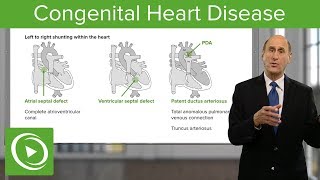
Congenital Heart Disease – Cardiology | Lecturio
-
05:18

Cardiology Fellowship at IU School of Medicine
-
04:36

What are different types of Cardiology Tests | SPS Hospitals
