Published
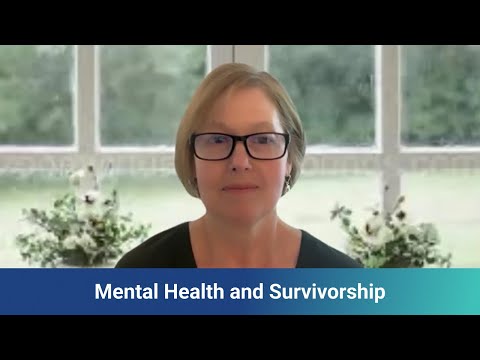
Darcy Burbage, DNP, RN, AOCN, an oncology clinical nurse specialist, joined Cancer Nursing Today to discuss resources to address mental health and emotional needs during cancer survivorship.
She explained that social workers and health psychologists play important roles in treatment teams, as they can provide counseling, cognitive-behavioral therapy, and other forms of support.
“Our oncology social workers have a lot of training in that as well. [There are] peer support groups in the community that are led by social workers, where they can meet with other individuals as they're going through the psychosocial concerns that they're experiencing,” Burbage said.
These psychosocial concerns can include fear of recurrence, intimacy concerns, or even role confusion that may stem from others taking on some of their professional or household duties during the treatment and recovery period. For example, “if they were always the cook of the family and other people are now cooking and they want to get back to it,” they may be asking themselves where and how they fit into that role now.
Social workers and psychologists can help survivors with “all of those concerns that weigh on your mind” after treatment, Burbage said, noting that it’s important to have “those people involved in part of your treatment team, not just during treatment, but in the survivorship phase as well.
“Sometimes you don't need them during treatment because you're so busy. We keep you so busy,” Burbage said. “But now after it's over, you can breathe and [reflect on] what just happened here. How did I get through it? How do I go on?”
Many cancer centers have professional social workers and psychologists on staff, Burbage said, but it’s also critical to connect survivors with resources outside of the cancer center.
“It's essential that there are people and groups in the community where survivors can go and get that same support from individuals that are well versed in cancer care and cancer survivorship,” she said. “We really need to know where those resources are to help our patients with cancer.”
Burbage said that she wants patients and survivors to know that oncology nurse and care teams want them to know they can reach out for support or assistance.
“I want to hear from you. I want to help you. I don't want to hear that you're not doing well, and you were worried or afraid you were going to bother me,” Burbage said. “I want people to continue to pick up that phone or send a message through the portal [to say] ‘Hey, I'm worried about this or I have a concern about this.’ We love to help people. That's nurses. We want to help you. So please don't feel that you're bothering us at any point, regardless of where you are in your survivorship journey. Let us know so we can help you put your mind at ease, get you to an appointment that you need. Please let us know how we can help support you regardless of where you are in your journey.”
Burbage also emphasized that cancer treatment and survivorship affect families and caregivers and that oncology nurse and care teams want to support them as well.
“We're all here to help those that love you. We really want to support them as well because it's hard to be on the sidelines and watch somebody you love go through treatment,” Burbage said. “Please know we're all on your team and that includes family members as well.”
Burbage concluded by sharing a message she has for survivors of cancer, saying that she wants survivors to know that “your story is powerful; your voice is powerful.”
“Share that with others. You never know where you'll inspire someone,” she said.
She explained that social workers and health psychologists play important roles in treatment teams, as they can provide counseling, cognitive-behavioral therapy, and other forms of support.
“Our oncology social workers have a lot of training in that as well. [There are] peer support groups in the community that are led by social workers, where they can meet with other individuals as they're going through the psychosocial concerns that they're experiencing,” Burbage said.
These psychosocial concerns can include fear of recurrence, intimacy concerns, or even role confusion that may stem from others taking on some of their professional or household duties during the treatment and recovery period. For example, “if they were always the cook of the family and other people are now cooking and they want to get back to it,” they may be asking themselves where and how they fit into that role now.
Social workers and psychologists can help survivors with “all of those concerns that weigh on your mind” after treatment, Burbage said, noting that it’s important to have “those people involved in part of your treatment team, not just during treatment, but in the survivorship phase as well.
“Sometimes you don't need them during treatment because you're so busy. We keep you so busy,” Burbage said. “But now after it's over, you can breathe and [reflect on] what just happened here. How did I get through it? How do I go on?”
Many cancer centers have professional social workers and psychologists on staff, Burbage said, but it’s also critical to connect survivors with resources outside of the cancer center.
“It's essential that there are people and groups in the community where survivors can go and get that same support from individuals that are well versed in cancer care and cancer survivorship,” she said. “We really need to know where those resources are to help our patients with cancer.”
Burbage said that she wants patients and survivors to know that oncology nurse and care teams want them to know they can reach out for support or assistance.
“I want to hear from you. I want to help you. I don't want to hear that you're not doing well, and you were worried or afraid you were going to bother me,” Burbage said. “I want people to continue to pick up that phone or send a message through the portal [to say] ‘Hey, I'm worried about this or I have a concern about this.’ We love to help people. That's nurses. We want to help you. So please don't feel that you're bothering us at any point, regardless of where you are in your survivorship journey. Let us know so we can help you put your mind at ease, get you to an appointment that you need. Please let us know how we can help support you regardless of where you are in your journey.”
Burbage also emphasized that cancer treatment and survivorship affect families and caregivers and that oncology nurse and care teams want to support them as well.
“We're all here to help those that love you. We really want to support them as well because it's hard to be on the sidelines and watch somebody you love go through treatment,” Burbage said. “Please know we're all on your team and that includes family members as well.”
Burbage concluded by sharing a message she has for survivors of cancer, saying that she wants survivors to know that “your story is powerful; your voice is powerful.”
“Share that with others. You never know where you'll inspire someone,” she said.
- Categoria
- Oncology

Commenta per primo questo video.
Prossimo
-
05:27

The Power Of Anxiety | Mental Health | Psychology | High And Low
-
04:13
What to know about mental health and heart care
-
13:30
What Doctor's don't tell you about Mental Health
-
06:15
Latrobe Regional Health Survivorship Clinic
-
06:46
APD officer helps save man from mental health crisis
-
07:11
The Hidden Battle: Understanding Mental Health During Cancer
-
07:05
CardioNerds EP Spotlight: Interplay Between Arrhythmias and Mental Health
-
04:59
February is American Heart Month, how to address your heart health | FOX6 News Milwaukee
-
04:52
A conversation on cancer survivorship | Life after the all-clear #cancersurvivorship #cancer
-
10:57
Why our mental health needs a reset | Amaan Ibrahim | TEDxGEMSNewMillenniumSchool
-
09:07

Cardiology for Beginners: Basics of Heart Sounds and Murmurs (with examples)
-
13:45

How to Become a Cardiologist | Cardiac Electrophysiologist
-
04:14

V 00592 Cardiology Fellowship Video Dr Vranian V5
-
05:17

Cardiology Fellowship at SIU Medicine
-
04:15

Cardiology Fellowship Program at Danbury Hospital
-
05:49

Practice Question: Cardiology #1, USMLE Step 1, COMLEX Level 1
-
04:07

Dr. Muhammed Raza on advice for Fellows interested in Interventional Cardiology
-
07:36
Congenital Heart Disease – Cardiology | Lecturio
-
05:18

Cardiology Fellowship at IU School of Medicine
-
04:36

What are different types of Cardiology Tests | SPS Hospitals